samsung rf26hfendsr manual

Samsung RF26HFENDSR Manual: A Comprehensive Guide
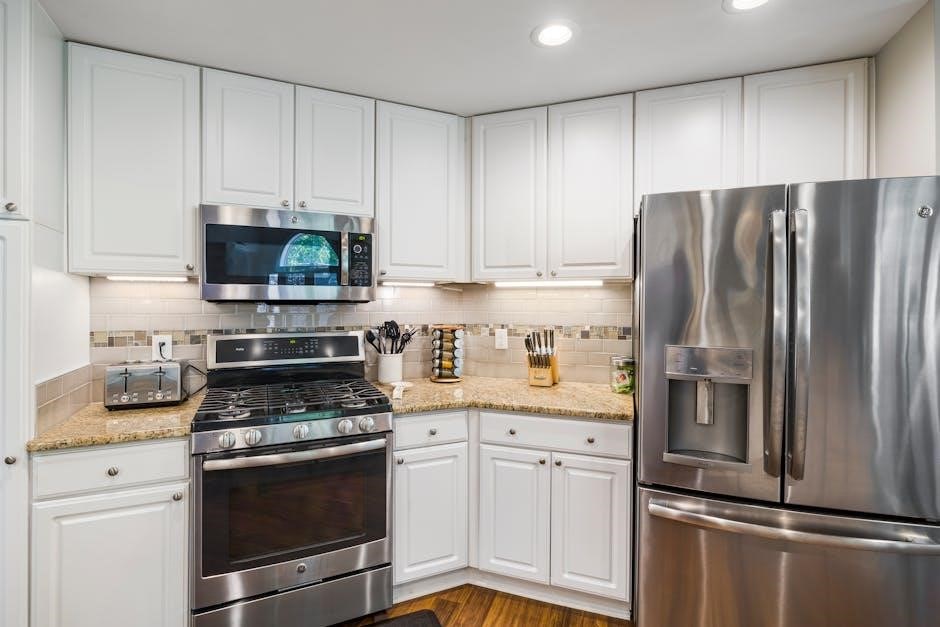
Delve into the Samsung RF26HFENDSR’s features and functions with this detailed manual; contact customer support for further assistance with parts diagrams.
Welcome to the world of advanced refrigeration with your Samsung RF26HFENDSR refrigerator! This manual serves as a comprehensive guide to understanding and utilizing all the features of your new appliance. The RF26HFENDSR is designed to provide optimal food preservation and convenience, incorporating innovative technologies like Twin Cooling Plus™ to maintain ideal humidity levels.
Before you begin, please take the time to carefully read through this manual to ensure proper installation, operation, and maintenance. Familiarizing yourself with the refrigerator’s functions will maximize its performance and longevity. This guide will also assist you in troubleshooting common issues and locating necessary replacement parts when needed. Remember to contact Samsung Customer Support for detailed parts diagrams and expert assistance.
Understanding the Model Number and Serial Number
Locating your Samsung RF26HFENDSR’s model and serial numbers is crucial for support and warranty claims. The model number, RF26HFENDSR, identifies the specific features and specifications of your refrigerator. The serial number is a unique identifier for your individual unit.
You’ll find these numbers on a sticker typically located inside the refrigerator compartment, often on the upper sidewall. Having both numbers readily available when contacting Samsung Customer Support will expedite the assistance process. They are essential for ordering replacement parts, checking warranty status, and accessing specific troubleshooting information related to your appliance. Keep this information in a safe place for future reference.

Key Features and Specifications
The RF26HFENDSR boasts spacious storage, advanced Twin Cooling Plus technology, and a sleek design, offering optimal food preservation and convenience.
Refrigerator Capacity and Dimensions
The Samsung RF26HFENDSR refrigerator offers a substantial 26 cubic foot total capacity, providing ample space for groceries and various food items. Specifically, the refrigerator compartment itself boasts around 18 cubic feet of usable space, ideal for storing fresh produce, beverages, and everyday essentials.
Regarding dimensions, the RF26HFENDSR typically measures approximately 35.5 inches wide, 70.75 inches high, and 30.75 inches deep (without handles). These dimensions are crucial for ensuring a proper fit within your kitchen space. Always measure your available space before purchasing to guarantee seamless integration; The depth measurement may vary slightly depending on door handle style and any installed features.
Freezer Capacity and Features
The Samsung RF26HFENDSR features a spacious freezer compartment with approximately 8 cubic feet of capacity, providing generous storage for frozen foods. This freezer utilizes a pull-out drawer system, enhancing organization and accessibility, allowing you to easily locate items without extensive searching.
Beyond capacity, the freezer includes features like adjustable shelves and bins, maximizing storage flexibility. Some models may incorporate a dedicated pizza keeper or a quick freeze option for rapidly freezing fresh items. The freezer is designed for efficient cooling and consistent temperature maintenance, preserving food quality over extended periods. Proper organization within the freezer is key to maximizing space and minimizing food waste.
Cooling Technology: Twin Cooling Plus
Samsung’s Twin Cooling Plus technology is a cornerstone of the RF26HFENDSR’s performance, maintaining optimal humidity levels in both the refrigerator and freezer. This system utilizes separate cooling systems – one for the fridge and one for the freezer – preventing odor transfer and preserving food freshness for longer durations.
By independently controlling humidity, Twin Cooling Plus minimizes freezer burn and keeps fruits and vegetables crisp. The technology actively filters and circulates air, removing odors and maintaining a consistently cool environment. This dual system ensures that delicate foods retain their texture and flavor, reducing food waste and enhancing the overall user experience. It’s a key feature for preserving food quality.
Energy Efficiency and Star Rating
The Samsung RF26HFENDSR refrigerator is designed with energy conservation in mind, aiming to reduce electricity consumption and environmental impact. While specific star ratings may vary based on regional standards and testing procedures, this model generally achieves a commendable energy efficiency level.
Samsung incorporates features like improved insulation, efficient compressors, and smart cooling algorithms to minimize energy usage. These technologies contribute to lower monthly electricity bills and a reduced carbon footprint. Checking the EnergyGuide label affixed to the refrigerator provides precise energy consumption data and estimated yearly operating costs. Prioritizing energy efficiency is a core design principle.

Operating Instructions
Effectively utilize your RF26HFENDSR by following these instructions for setup, temperature adjustments, ice/water dispensing, and addressing potential alarms.
Initial Setup and Installation
Before operating your Samsung RF26HFENDSR refrigerator, ensure proper installation for optimal performance. Begin by carefully unpacking the appliance and inspecting it for any shipping damage. Position the refrigerator on a level floor, allowing sufficient space around it for ventilation – typically a few inches on the sides and back, and above.
Connect the water supply line to the refrigerator, following the provided instructions, and verify there are no leaks. Plug the refrigerator into a dedicated, grounded electrical outlet. Allow the refrigerator to run for several hours to reach its optimal cooling temperature before loading it with food. Refer to the full manual for detailed diagrams and safety precautions during installation.

Temperature Control Settings
The Samsung RF26HFENDSR refrigerator offers precise temperature control for both the refrigerator and freezer compartments. Utilize the control panel, typically located on the refrigerator door, to adjust the temperature settings. Recommended refrigerator temperature is between 37°F (3°C) and 40°F (4°C), while the freezer should be set to 0°F (-18°C) for optimal food preservation.
The control panel may feature different modes, such as ‘Normal,’ ‘Energy Saver,’ or ‘Vacation’ mode. Experiment with these settings to find the best balance between cooling performance and energy consumption. Allow 24 hours for temperature changes to fully stabilize after adjustments. Consult the manual for specific instructions on navigating the control panel and understanding its various functions.
Using the Ice Maker and Water Dispenser
The RF26HFENDSR boasts a convenient ice maker and water dispenser. Ensure the refrigerator is connected to a water supply for these features to function. The ice maker typically has an on/off switch located inside the freezer compartment; activate it to begin ice production. Allow up to 24 hours for the initial ice production cycle.
To dispense water, press a glass against the water dispenser paddle. For ice, select either cubed or crushed ice using the dispenser control. Regularly check the water filter status indicator and replace the filter as needed to maintain water quality and dispenser performance. Refer to the ‘Replacing the Water Filter’ section for detailed instructions.
Door Alarm and Troubleshooting
The RF26HFENDSR features a door alarm that sounds if a door is left open for an extended period, typically around two minutes. This helps conserve energy and maintain optimal food preservation. If the alarm sounds, simply close the door to silence it.
If the alarm continues, check for obstructions preventing the door from sealing correctly. For troubleshooting, ensure the refrigerator is level. If issues persist, consult the ‘Troubleshooting Common Issues’ section. Common problems include a faulty door switch or a malfunctioning control board. Contact customer support if you are unable to resolve the issue independently.

Maintenance and Cleaning
Regular cleaning ensures peak performance and longevity of your RF26HFENDSR refrigerator; follow the detailed instructions within this manual for optimal results.
Cleaning the Interior and Exterior
Regular cleaning is crucial for maintaining hygiene and optimal performance. To clean the interior, first disconnect the refrigerator from the power supply. Remove all food items and shelves. Wash interior surfaces with a mild detergent and warm water solution, then rinse thoroughly and dry.
For stubborn stains, a baking soda paste can be effective. Avoid abrasive cleaners, as they can damage the surfaces. The exterior should be cleaned with a soft cloth and mild soap. Pay attention to the door handles and edges, as these areas accumulate fingerprints easily.
Always ensure the refrigerator is completely dry before reconnecting it to the power. Wipe down the door gaskets to maintain a tight seal. Consistent cleaning prevents odors and prolongs the life of your RF26HFENDSR.
Replacing the Water Filter
Maintaining water quality requires regular filter replacement. Samsung recommends replacing the water filter every six months, or sooner if water flow decreases noticeably. Locate the filter, typically inside the refrigerator compartment, often in the upper right corner. Gently twist the existing filter counterclockwise to release it.
Before installing the new filter, remove the protective caps. Align the new filter with the housing and twist clockwise until it locks into place. Flush the system by dispensing water for approximately five minutes to remove any air or carbon particles.
Reset the filter indicator on the control panel according to the manual’s instructions. Using genuine Samsung filters ensures optimal performance and water purity for your RF26HFENDSR.
Defrosting the Freezer
The RF26HFENDSR features frost-free technology, generally eliminating the need for manual defrosting. However, excessive frost buildup can occur if the door isn’t sealed properly or with frequent opening. If noticeable ice accumulation develops, initiate a defrost cycle (if available – consult your model’s specific features).
Alternatively, you can manually defrost. Begin by emptying the freezer completely. Turn off the refrigerator or set it to the coolest setting. Place towels around the base to absorb melting water. Allow the ice to melt naturally – do not use sharp objects to scrape it off, as this can damage the freezer lining.
Once defrosted, thoroughly dry the interior before restarting the refrigerator.
Cleaning the Condenser Coils
Maintaining clean condenser coils is crucial for optimal refrigerator performance and energy efficiency. Located at the back or underneath the RF26HFENDSR, these coils dissipate heat. Dust and debris accumulation forces the compressor to work harder.
Unplug the refrigerator before cleaning. Use a vacuum cleaner with a brush attachment to gently remove dust from the coils; A long, flexible brush can reach tight spaces. Avoid bending the coils, as this can damage them.
Cleaning should be done every six to twelve months, or more frequently if you have pets or live in a dusty environment. Regular cleaning ensures efficient cooling and extends the refrigerator’s lifespan.

Troubleshooting Common Issues
Resolve typical RF26HFENDSR problems like cooling failures, ice maker malfunctions, and water dispenser issues with this guide’s error code explanations.
Refrigerator Not Cooling
If your Samsung RF26HFENDSR refrigerator isn’t cooling, first verify the power supply and ensure the temperature settings are correct. Check if the condenser coils are clean, as dust buildup restricts airflow and reduces efficiency. A blocked vent inside the refrigerator can also hinder proper cooling; clear any obstructions.
Inspect the door seals for gaps, allowing warm air to enter. If the issue persists, the evaporator fan motor might be faulty, or there could be a problem with the compressor. Resetting the refrigerator by unplugging it for a few minutes can sometimes resolve minor glitches.
For continued issues, consult the error codes displayed on the control panel or contact Samsung customer support for professional assistance.
Ice Maker Not Working

When the ice maker in your Samsung RF26HFENDSR isn’t producing ice, begin by confirming it’s turned on – check the power freeze setting. Ensure the water supply line is properly connected and hasn’t become kinked or frozen. A clogged water filter is a common culprit; replace it if necessary.
Verify the ice maker arm isn’t in the ‘off’ position. If the ice bin is full, the ice maker will automatically stop production. Sometimes, a reset is needed – try turning the ice maker off and on again.
For persistent issues, inspect the water inlet valve for malfunctions. Contact Samsung support if problems continue, providing the model number for efficient assistance.
Water Dispenser Issues
If your Samsung RF26HFENDSR’s water dispenser isn’t working, first check if the water supply is connected and turned on. A frozen water line is a frequent cause, especially in colder climates; inspect for any ice buildup. A clogged water filter significantly reduces water flow, so replacing it is a crucial first step.
Ensure the dispenser lock feature isn’t activated. Air in the water line can also cause issues; dispense water for several minutes to purge any trapped air.
If the problem persists, examine the water tank and valve for potential malfunctions. Contact Samsung customer support, providing your model number, for further troubleshooting guidance and potential repair options.
Error Codes and Their Meanings
The Samsung RF26HFENDSR refrigerator utilizes error codes to signal potential issues. A code like “E1” often indicates an ice maker malfunction, while “E2” may point to a problem with the dispenser. “E3” frequently signals a defrost system failure, requiring professional attention.
“E4” can relate to fan motor issues, and “E5” might indicate a temperature sensor problem. These codes are displayed on the control panel, providing a starting point for diagnosis.
Consult the full error code list in the manual or on the Samsung support website. Always disconnect the refrigerator before attempting any repairs and contact customer support for complex issues.

Parts Diagram and Replacement
Locate detailed diagrams for the RF26HFENDSR and understand component placement to facilitate efficient replacement of faulty parts when needed.
Locating Replacement Parts
Finding genuine Samsung replacement parts for your RF26HFENDSR refrigerator is crucial for maintaining its performance and longevity. Several avenues are available to ensure you acquire the correct components. Firstly, the official Samsung Parts website (parts.samsung.com) offers a comprehensive catalog searchable by model number. Alternatively, authorized Samsung service centers can assist in identifying and ordering the necessary parts.
Third-party appliance parts retailers also stock RF26HFENDSR components, but verifying compatibility is essential. Always cross-reference the part number with the Samsung parts diagram to avoid errors. When ordering, have your refrigerator’s serial number readily available, as it can help pinpoint specific variations. Prioritize genuine Samsung parts to uphold the appliance’s quality and warranty validity.
Understanding the Parts Diagram
The Samsung RF26HFENDSR parts diagram is an invaluable resource when identifying components for repair or replacement. These diagrams, typically found on the Samsung Parts website or in service manuals, provide a detailed, exploded view of the refrigerator’s assembly. Each part is labeled with a unique reference number, corresponding to a parts list.
Familiarize yourself with the diagram’s key: it explains symbols and abbreviations used. Trace the component you need, noting its reference number and description. This number is essential when ordering replacements. Diagrams are organized by sections – refrigerator, freezer, ice maker, etc. – simplifying navigation. Careful study of the diagram ensures accurate part identification and successful repairs.

Safety Information and Warranty
Prioritize safety with crucial precautions and understand your Samsung RF26HFENDSR’s warranty details, ensuring comprehensive coverage for peace of mind.
Important Safety Precautions
To ensure safe operation of your Samsung RF26HFENDSR refrigerator, always follow these guidelines. Avoid storing flammable substances or gases near the appliance, as this presents a significant fire hazard.
Never attempt to repair the refrigerator yourself; contact a qualified technician for all service needs. Disconnect the power supply before cleaning or performing any maintenance.
Ensure proper grounding to prevent electrical shock. Do not use extension cords or adapters. Keep the ventilation openings clear of obstructions for efficient cooling.
Supervise children around the appliance, and do not allow them to play with the controls. Avoid overloading electrical outlets. Regularly inspect the power cord for damage.
Properly dispose of old refrigerators according to local regulations, removing doors to prevent entrapment.
Warranty Details and Coverage
Your Samsung RF26HFENDSR refrigerator is covered by a limited warranty, protecting against manufacturing defects in materials and workmanship. The standard warranty period is one year for parts and labor, beginning from the original purchase date.
The sealed system (compressor, condenser, evaporator, and connecting tubing) receives a five-year warranty on parts and a one-year warranty on labor.
This warranty does not cover damage resulting from misuse, accidents, improper installation, or unauthorized repairs.
To make a warranty claim, retain your proof of purchase and contact Samsung Customer Support.
Warranty coverage may vary by region; consult your warranty card or the Samsung website for complete details and specific terms and conditions.