important documents checklist pdf

Essential documents keep you organized‚ protect assets‚ streamline processes․ A PDF checklist compiles key items‚ offers a printable reference‚ and ensures you never miss a critical piece․ Keep it handy for life’s major events․ Use it to track renewals‚ expirations‚ and deadlines․ Update to reflect changes․Now?

Core Documents List
Compile essential papers: birth certificates‚ passports‚ insurance policies‚ wills‚ tax returns‚ bank statements‚ contracts‚ property deeds‚ and emergency contacts․ Organize by category‚ store digitally and in a safe․ Review annually to keep records current and accurate․ Keep it updated regularly!!
Identification
Identification documents serve as the cornerstone of personal and legal identity․ They verify who you are‚ protect your rights‚ and enable access to services‚ travel‚ banking‚ and employment․ A comprehensive list typically includes a government‑issued photo ID‚ such as a passport or driver’s license‚ a birth certificate‚ a social security card‚ and any national identity card if applicable․ Each document should be stored in a secure‚ fire‑proof safe or a digital backup encrypted with strong passwords․ Regularly review and update expired documents‚ and keep copies of all originals in a separate‚ accessible location․ For added security‚ consider using a tamper‑evident seal or a lockbox․ When traveling abroad‚ carry a photocopy of your passport and a copy of your visa or residence permit․ Keep all documents in a dedicated folder or binder labeled clearly․ A well‑organized identification checklist helps you avoid missing critical paperwork during life’s major events‚ such as applying for a loan‚ enrolling in school‚ or registering a vehicle․ By maintaining an up‑to‑date identification log‚ you reduce the risk of identity theft‚ streamline bureaucratic procedures‚ and ensure that you can quickly prove your identity in emergencies․ A digital version of the checklist‚ stored on a secure cloud service with two‑factor authentication‚ allows you to access the information from any device while keeping the physical copies protected․ Periodically audit the list‚ cross‑check the items against the original documents‚ and replace any that are damaged or have been compromised․
Legal Documents
Legal documents are the formal records that establish rights‚ obligations‚ and responsibilities․ They include wills‚ power‑of‑attorney forms‚ marriage certificates‚ divorce decrees‚ property deeds‚ lease agreements‚ business contracts‚ insurance policies‚ tax filings‚ and court orders․ Each item must be stored securely‚ ideally in a fire‑proof safe or a digital vault with encryption and two‑factor authentication․ Keep originals in a labeled folder and maintain copies in a separate‚ accessible location․ Review each document annually‚ verify that information remains accurate‚ and replace any that have expired or been updated․ For estate planning‚ a will and a durable power of attorney are essential; for business‚ operating agreements and intellectual property registrations protect assets․ Insurance policies—life‚ health‚ auto‚ home—should be checked for coverage limits and beneficiaries․ Tax returns and supporting documents should be retained for at least seven years‚ per IRS guidelines‚ to defend against audits․ Court orders and judgments must be kept until the case is fully resolved․ A digital checklist can be synchronized across devices‚ ensuring that you have instant access when needed․ Regular audits of the legal document inventory reduce the risk of missing critical paperwork during life’s major transitions‚ such as buying a home‚ starting a business‚ or handling a legal dispute․ When drafting new agreements‚ consult a qualified attorney to ensure compliance with local statutes․ Maintain a version history for each contract‚ noting amendments and dates of execution․ Store electronic copies in a cloud service with robust backup protocols․ Periodically conduct a risk assessment to identify any gaps in coverage or outdated clauses that could expose you to liability․ Finally‚ create a master index that lists each document’s name‚ type‚ date of issuance‚ expiration‚ and storage location․ This index should be updated immediately after any change to the underlying document․ By maintaining a meticulous‚ up‑to‑date legal documents checklist‚ you empower yourself to navigate complex legal landscapes with confidence and peace of mind․ !!
Financial Records
Financial records form the backbone of personal and business stewardship․ They include bank statements‚ credit reports‚ investment summaries‚ tax returns‚ payroll records‚ receipts‚ invoices‚ insurance policies‚ loan documents‚ and budget plans․ Each document must be stored in a secure‚ organized system—physical folders labeled by year and type‚ and digital copies in an encrypted cloud vault․ Regular audits of the file set reveal discrepancies‚ missed deductions or outdated balances․ For individuals‚ quarterly reviews of credit scores and yearly tax filings help avoid penalties and identify opportunities for tax‑efficient strategies․ For entrepreneurs‚ maintaining up‑to‑date profit‑and‑loss statements‚ balance sheets‚ and cash‑flow projections is essential for securing financing and meeting regulatory requirements․ When a document expires—such as a tax return that is no longer needed for audit purposes—it should be archived in a long‑term storage solution that preserves integrity․ Digital backups should be performed nightly‚ with incremental updates to reduce storage load․ A master index‚ preferably in spreadsheet format‚ tracks each record’s name‚ date‚ location‚ and status (active‚ archived‚ or pending)․ This index should be reviewed after every major life event—marriage‚ inheritance‚ or business acquisition—to ensure all new documents are captured․ Additionally‚ a risk assessment identifies gaps in coverage‚ such as missing insurance policies or unfiled tax documents‚ and prompts corrective action․ By keeping a meticulous‚ regularly updated financial records checklist‚ you safeguard your financial health‚ streamline audits‚ and position yourself for future growth․

Creating the PDF Checklist
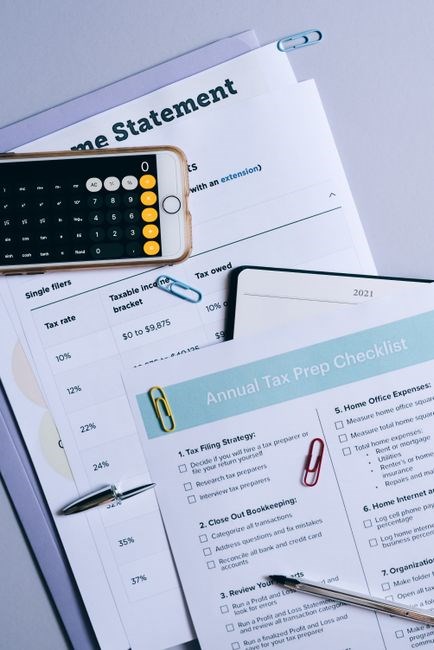
Design a clean layout‚ list items with checkboxes‚ use consistent fonts‚ and embed hyperlinks to templates․ Export as PDF‚ ensuring compatibility devices․ Test printouts for legibility‚ then store a master copy and share securely with stakeholders․ Keep it updated․ Share․ Now!
Selecting Software
Choosing the right tool for building an important documents checklist PDF starts with understanding the core features you need․ Look for software that supports form fields‚ checkboxes‚ and digital signatures so users can mark items directly within the PDF․ A scripting capability (e․g․‚ JavaScript for PDFs) can add dynamic behavior‚ such as auto‑calculating dates or highlighting overdue items․ If you anticipate frequent updates‚ version control or cloud integration can streamline revisions․ By evaluating these criteria‚ you can select a solution that balances functionality‚ ease of use‚ and budget‚ ultimately producing a professional‚ reliable checklist that serves your needs for years to come․ Additionally‚ ensure the software allows for secure encryption and watermarking to protect sensitive information․ The ability to embed fonts guarantees consistent appearance across devices․ A user‑friendly interface reduces the time required to create and edit the checklist․
In addition‚ consider the learning curve of the chosen application․ A steep curve may slow creation‚ especially for non‑technical users․ Many vendors offer tutorials‚ webinars‚ and forums to accelerate onboarding․ Evaluate export options‚ such as embedding fonts or choosing PDF/A compliance for long‑term archiving․ If frequent updates are expected‚ version control or cloud integration can streamline revisions․ Finally‚ ensure the software’s licensing terms match your distribution plans‚ avoiding restrictions on commercial use or copy limits; Consider the availability of customer support‚ such as live chat or phone assistance‚ which can be invaluable when troubleshooting complex features․
After selecting the tool‚ create a template with placeholders for document names‚ dates‚ and status indicators․ This template will serve as the foundation for all future checklists‚ ensuring consistency across versions․ Once the template is ready‚ save it as a master file and distribute copies to stakeholders․ Regularly review and update the template to reflect changes in regulations or organizational policies․
Formatting Best Practices
Clarity and consistency are essential when creating a PDF checklist for important documents․ Use a clean‚ readable typeface such as Helvetica or Garamond‚ with a font size between 10 and 12 points for body text․ Highlight section titles with bold or larger fonts‚ but keep them sparingly to avoid clutter!

Set uniform margins—typically 1 inch on all sides—to ensure a neat print layout․ Structure the checklist with a clear hierarchy: H1 for the main title‚ H2 for major categories‚ and H3 for sub‑categories․ This aids visual scanning and supports accessibility tools that read PDFs aloud!
Align items using tables or grids․ Each row should contain a checkbox‚ the document name‚ the required action‚ and the due date․ Make checkboxes large enough for finger tapping on touch devices․ Add a “Notes” column for remarks․ Alternate row shading (zebra striping) improves readability for long lists!

Use color coding or icons sparingly to flag status: red for overdue‚ green for completed․ Pair color with symbols to accommodate color‑blind users․ Keep icons vector‑based to avoid pixelation when scaling!
Embed interactive form fields so users can tick boxes directly within the PDF․ Include a “Signature” field at the end for electronic approval․ Name form fields clearly and save the PDF as a fillable format․ Test the file on desktop‚ tablet‚ and mobile to confirm functionality and layout stability!
Apply PDF/A compliance for long‑term archiving‚ ensuring all fonts and images are embedded and the file remains self‑contained․ Validate the PDF with an online validator before distribution․ Following these best practices results in a clear‚ accessible‚ and durable checklist that works across all platforms․Go!

Customization Options
Tailor your PDF checklist with color themes‚ logo placement‚ and personalized sections․ Add custom headers‚ footers‚ and page numbers․ Include user‑specific fields for personal or business use․ Export as fillable or static based on preference․ Adjust layout for mobile‚ add QR codes‚ permissions
Personal vs․ Business Use
When designing an important documents checklist PDF‚ distinguishing between personal and business needs is crucial․ Personal checklists focus on life events—birth certificates‚ passports‚ insurance policies‚ wills‚ and retirement plans—while business checklists emphasize corporate registrations‚ tax filings‚ employee records‚ contracts‚ and intellectual property documents․ Tailoring the layout‚ terminology‚ and required fields ensures relevance and efficiency for each audience․
- Audience‑Specific Sections: Personal documents often include health records‚ education certificates‚ and family legal papers․ Business documents require sections for corporate bylaws‚ shareholder agreements‚ and financial statements․
- Compliance and Legal Nuances: Business checklists must reflect industry regulations‚ data protection laws‚ and audit trails․ Personal checklists prioritize privacy‚ easy access‚ and minimal legal jargon․
- Security Settings: Business PDFs benefit from password protection‚ digital signatures‚ and version control․ Personal PDFs can use simpler encryption or be shared via secure cloud links․
- Update Frequency: Business documents typically need quarterly or annual updates to align with fiscal cycles․ Personal documents may be updated annually or after major life events․
- Integration Capabilities: Business checklists often integrate with accounting software‚ HR systems‚ and document management platforms․ Personal checklists can link to cloud storage or mobile apps for on‑the‑go access․
- Visual Design: Corporate branding—logos‚ color schemes‚ and formal typography—enhances business PDFs․ Personal PDFs favor a clean‚ user‑friendly aesthetic with optional personalization like name tags or photo placeholders;

Additionally‚ leveraging template libraries allows quick adaptation of the checklist for niche industries—real estate‚ healthcare‚ or nonprofit sectors—by inserting pre‑defined document categories and compliance checklists․ Users can also export the PDF in multiple languages‚ ensuring accessibility for diverse stakeholders․ Finally‚ embedding a QR code that links to an online version keeps the physical copy lightweight while providing instant access to the most current version․

Remember‚ the goal is a balanced‚ user‑centric design that respects the distinct workflows of individuals and organizations․ A well‑crafted checklist not only saves time but also reduces the risk of missing critical documentation․

Distribution and Maintenance
Share the PDF via secure cloud links‚ email‚ or QR codes․ Store backups on encrypted drives․ Schedule annual reviews‚ update sections‚ and re‑issue new versions․ Keep version history‚ log changes‚ and notify users of revisions․ Encrypt all copies․
Secure Sharing
When distributing your important documents checklist PDF‚ security is paramount․ Add a strong password with letters‚ numbers‚ and symbols․ Store the password separately‚ using a password manager or a physical key‚ and share it only through a different channel․
Use a reputable cloud service that offers end‑to‑end encryption․ Generate a unique‚ expiring link for each recipient and set a limit on the number of downloads․ Enable two‑factor authentication for all accounts that can access the file․ If possible‚ employ a digital rights management (DRM) system that restricts printing‚ copying‚ or forwarding․ Keep an audit trail: log every access‚ note the IP address‚ device‚ and time stamp․ Additionally‚ monitor access logs daily to detect any unauthorized attempts!
For highly sensitive lists‚ consider a secure file‑transfer protocol (SFTP) or a dedicated secure messaging platform․ Avoid email attachments unless the email itself is encrypted with PGP or S/MIME․ When using email‚ attach a compressed‚ encrypted archive and send the decryption key separately․ Regularly rotate encryption keys and passwords‚ and enforce a policy that requires users to change credentials after a set period․
Educate recipients on phishing risks and instruct them to verify the source before opening the file․ Encourage the use of two‑factor authentication on their own devices․ Finally‚ establish a clear revocation process: if a user leaves the organization or a device is lost‚ immediately revoke access and redistribute the checklist with a new key․
Updating the Checklist
Keeping your PDF checklist current is essential․ Schedule a quarterly review‚ noting any new legal requirements‚ policy changes‚ or personal milestones․ Use a version control system—label each revision with a date and version number․ Store older PDFs in an encrypted archive‚ and maintain a change log that records what was added‚ removed‚ or modified․ When updating‚ re‑validate all links and embedded forms to ensure they still function․ If you use a cloud platform‚ set up automated reminders to notify stakeholders of the new version and provide a secure download link․ For sensitive documents‚ regenerate encryption keys and re‑apply DRM settings to prevent unauthorized access to outdated information․ Finally‚ archive the previous version’s checksum to guarantee integrity and to detect any tampering․ This systematic approach guarantees that your checklist remains reliable‚ compliant‚ and ready for any audit or emergency․ Additionally‚ consider integrating a digital signature for each update to prove authenticity․ Encourage users to acknowledge receipt of the new version through a simple confirmation form․ Track acknowledgments in a central database to ensure everyone is on the same page․ Periodically audit the update process itself‚ verifying that all steps were followed and that no gaps exist․ By embedding these practices into your routine‚ you create a resilient‚ trustworthy document that adapts seamlessly to change․ Moreover‚ keep an eye on regulatory updates from relevant authorities and adjust the checklist accordingly․ Use automated tools to scan for expired documents and flag them for renewal․ Incorporate a color‑coding system within the PDF to highlight items that require immediate attention․ When a major life event occurs—such as marriage‚ birth‚ or relocation—update the checklist promptly to reflect new documents needed․ Train family members or employees on the importance of keeping the checklist up‑to‑date‚ and assign responsibility for specific sections․ Document any changes in a separate log file‚ and keep it synchronized with the main checklist․ If you collaborate with external partners‚ share only the necessary portions of the checklist to protect sensitive data․ Finally‚ schedule a yearly audit of the entire document set to confirm that all files are present‚ correctly labeled‚ and securely stored․ This proactive strategy ensures that your important documents checklist PDF remains a reliable tool for organization and peace of mind;